Hi, a wonderful creature! You are reading the fifth monthly edition of my newsletter. These newsletters are in the format of thought of the time + digest of articles about leadership in engineering teams and interviews with experienced engineers and leaders. Happy reading, watching, and listening 😊!
This time I will talk about the sense of ownership and leadership in an organization and my solution to address challenges with silos.
Are we cogs in the wheel?
While I was in a certain division of one unit of some department, I took the whole organization as my own. That's what I said every morning I started my work - "I am the owner of this company". De-jure I wasn't but de facto... I was... as the only thing I needed to be the owner was attitude and commitment.

Meanwhile, some people around me would tell me to focus on my department, on my team only.
And if I went to other departments and proposed to them some improvements, they would say "You cannot propose us improvements. You are from another department. We will handle it ourselves. Mind your business".
Shall we mind our business?
I remember how I approached one unit head with a proposal on improving ways of working. Prior to that, I presented proposals to various managers and engineers in that unit.
The majority somewhat supported and a few were against. After some time he got back to me and said that actually some people whom I labeled as supporters were against it. Well, if you keep asking people thousand times if they support changes, they will start doubting.

It seemed to me that every department became a sandbox for managers to play. And these kids were very protective and not letting others join.
Shall we suppress our calls for change?
Formally, we are assigned to certain position and certain department. No doubt that we are expected to deliver results there. But what if there is no urge to deliver results in your department at that particular moment? What if you see a solution to a problem somewhere else than your team? Well, you can either shut up and imitate working, or you can channel your energy to where it is needed most.
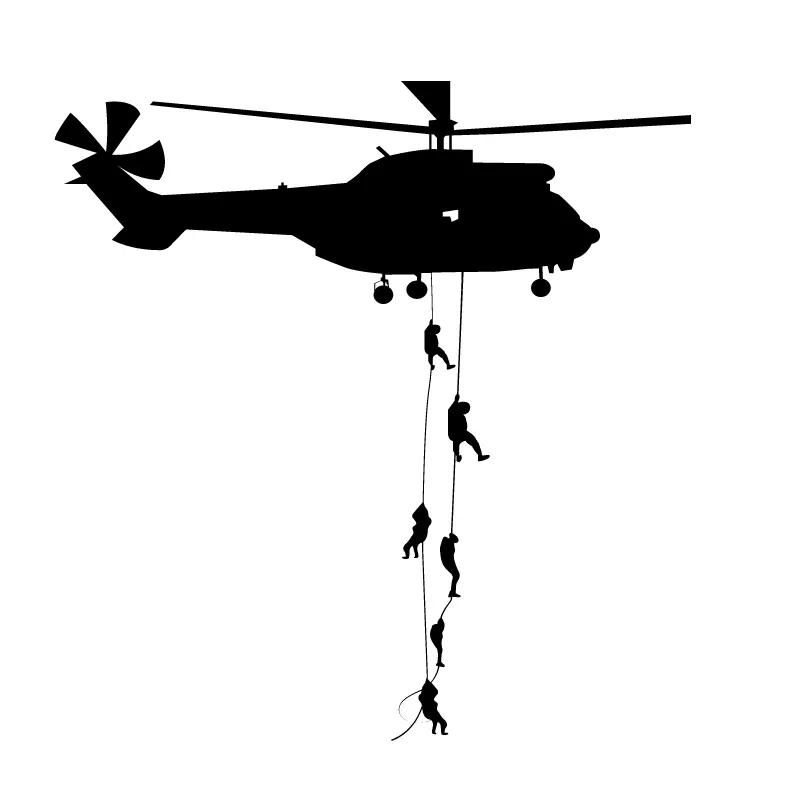
I believe organizations need more cross-functional mobile forces that focus on areas that matter most rather than narrow-minded managers who do not see beyond their departments and teams. Like Special Ops deployed to the areas of interest.
When I was intervening in other department ways of working, I would do so only if I saw:
a) No initiative within that department or from elsewhere.
b) It was negatively affecting cross-functional collaboration with my department.
The organization is like a microcosm. None lives there in a vacuum. Speaking about vacuums, I saw cases when departments were so isolated by their managers, that company-wide culture was simply not having any impact. Those departments were like separate villages and employees there got stuck for several years in the same positions and roles.

That is why those organizations are extremely inefficient and the only way they get big changes is via hiring external consultants be it for digital transformation, data analytics enablement, or something else.
How I would have solved that conundrum
1) Motivate people to feel ownership and leadership of the whole organization rather than being isolated into one department mentality and employee-employer relationship.
Encourage people not only to bring ideas and improvements to our department but let them think of other departments and the whole organization also.
And the Kaizen system is not enough here as we cannot use it to propose specific changes in ways of working, for instance.
2) Give people cause beyond salary.
Use storytelling.
When I was a department head, I would tell every week stories about how our products that were produced in that particular week would change the lives of people for the better. Every week. That way we get fulfilled with our life and spread positive feelings to others.
3) Rotate managers every 1,5-2 years.
This time is enough to introduce positive changes and move on. More than that and they start playing power games or creating problems out of nowhere just to keep themselves busy.
The more departments managers have tried to work with, the better they understand the organization and better feel unity with other departments.
4) Get more interns.
They are like the fresh wind that excites everyone around with new ideas and gives a new impulse to our organization.
5) Hire more graduates.
These are the people who will drive changes in our organization to a better one. Not the ones who worked dozen years in the same positions.
6) Motivate those working in one position for several years to move on to other roles.
They got used to doing routine things. They are in their comfort zone and thus resist innovations. These are the people who say "Don't touch, it's been working fine many years".
Be happy if they start moving to other positions within our organization. It is a win-win for everyone.
7) Make it safe to experiment and fail.
I heard many times managers complaining about their employees doing something and that it was not up to their expectations. Well, let them do nothing then.
Investors invest in many startups. Most of those fail. But one or two succeed and that not only covers for losses but gives 10-30X returns.
8) Decentralize.
Let there be more of a holocracy. More we trust and give the power to decide, the more sense of ownership and leadership we will get from our people. If they mess up... it's okay. We will find a solution together.
Quote of the day
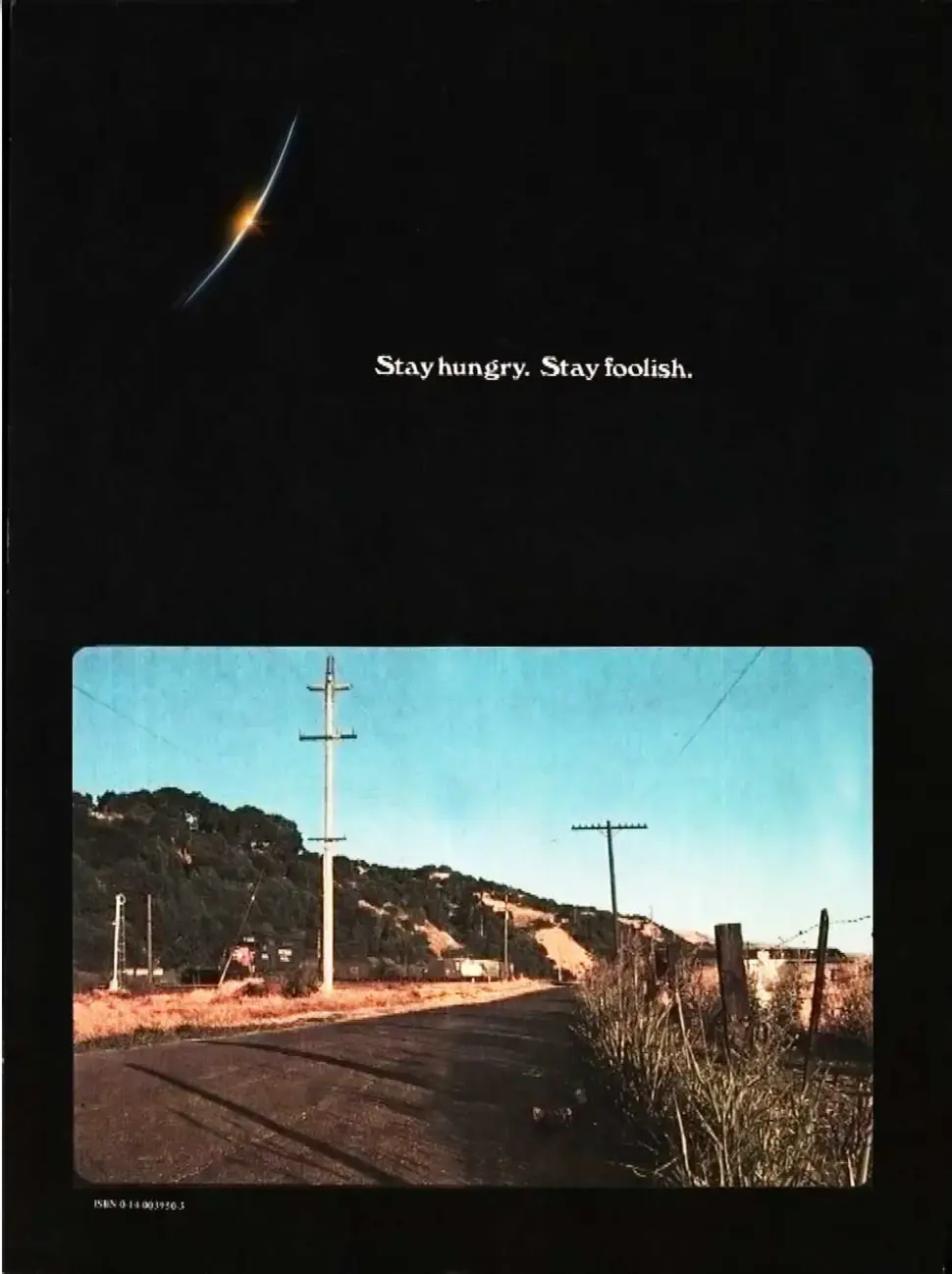
I heard it first from Steve Jobs in his graduation commencement speech at Stanford University in 2005. Originally, it was from the “Whole Earth Catalog“ published in 1972.
I liked it so much that I immediately put a sticky note with it on my desk.
Why? Because I know I will die one day and I do not know which day it will happen. But when it will happen, I do not want to regret being complacent and not trying out things.
Latest episodes of Leaders & Engineers
L&E E10: Pyry Peitso - Spacecraft Propulsion | Space Technology
An expert in spacecraft propulsion, space technology, and space weather. He is a Bachelor's in Electronics, Master of Science in Space Technology, and PhD candidate with over 10 years of experience in researching space weather, engineering space instruments, and other technologies, and developing space missions.
Available on YouTube & Spotify.
Thank you! For reading or scrolling to the end.
Yours, not yours
Nodirkhon aka Nodir