Hi, a wonderful creature! You are reading the third monthly edition of my newsletter. These newsletters are in the format of thought of the time + digest of articles about leadership in engineering teams and interviews with experienced engineers and leaders. Happy reading, watching, and listening 😊!
This time I will talk about India.
My trip to India
I had a trip to India at the beginning of this month and attended my friend's wedding. I took a flight to Warsaw and spent half a day there before flying to Delhi and then to Nagpur.
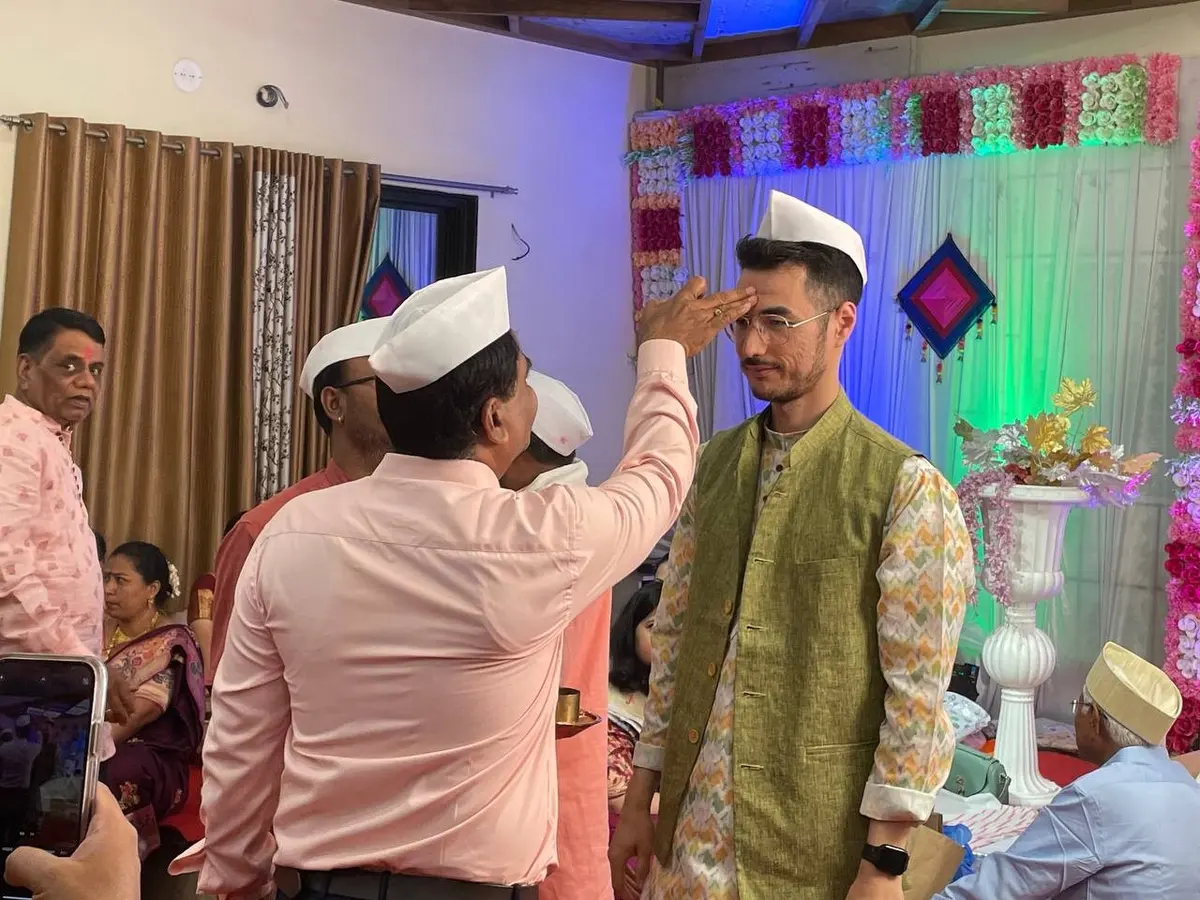
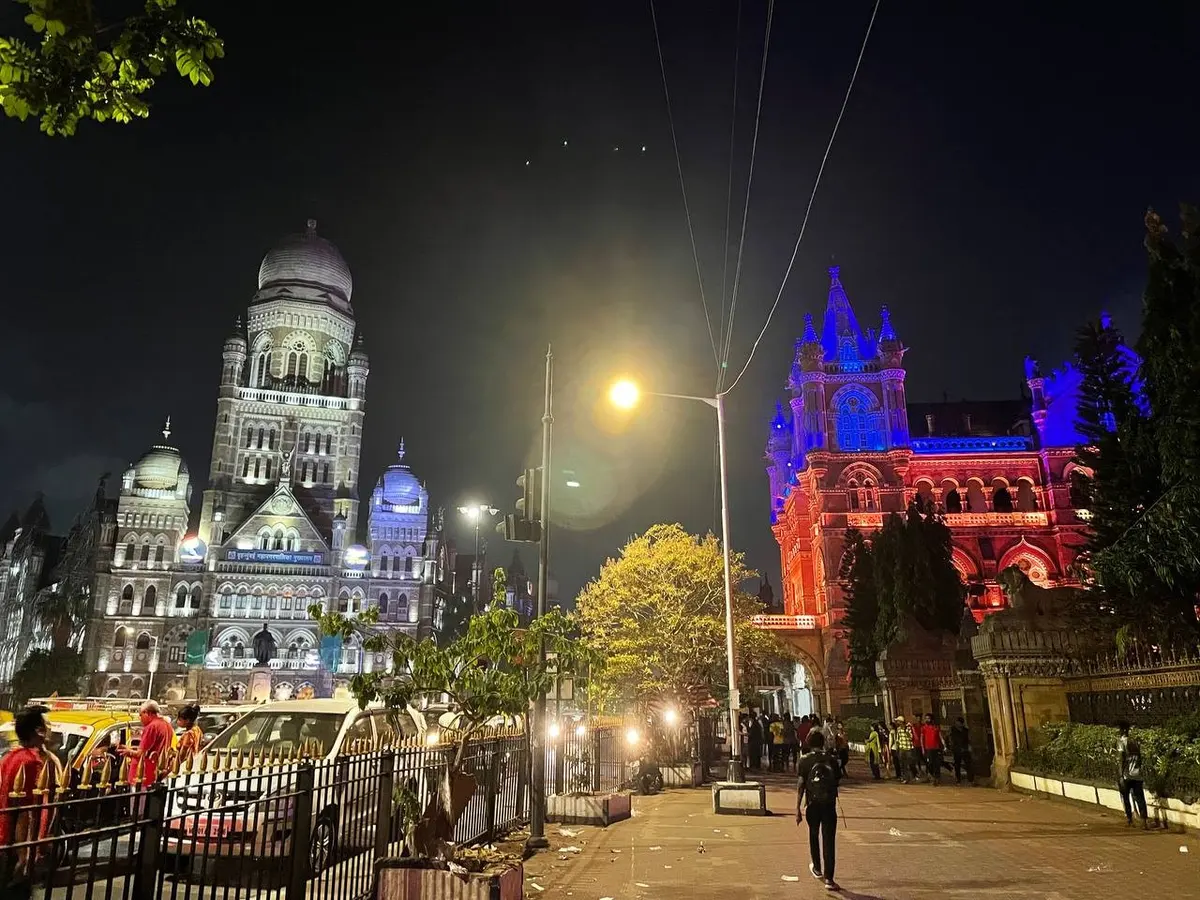
During my two-week stay in the state of Maharashtra, I visited various locations such as Nagpur, Hingoli, Pune, Karjat, Bollywood (Film City Complex on the outskirts of Mumbai), Mahabaleshwar, and Mumbai.
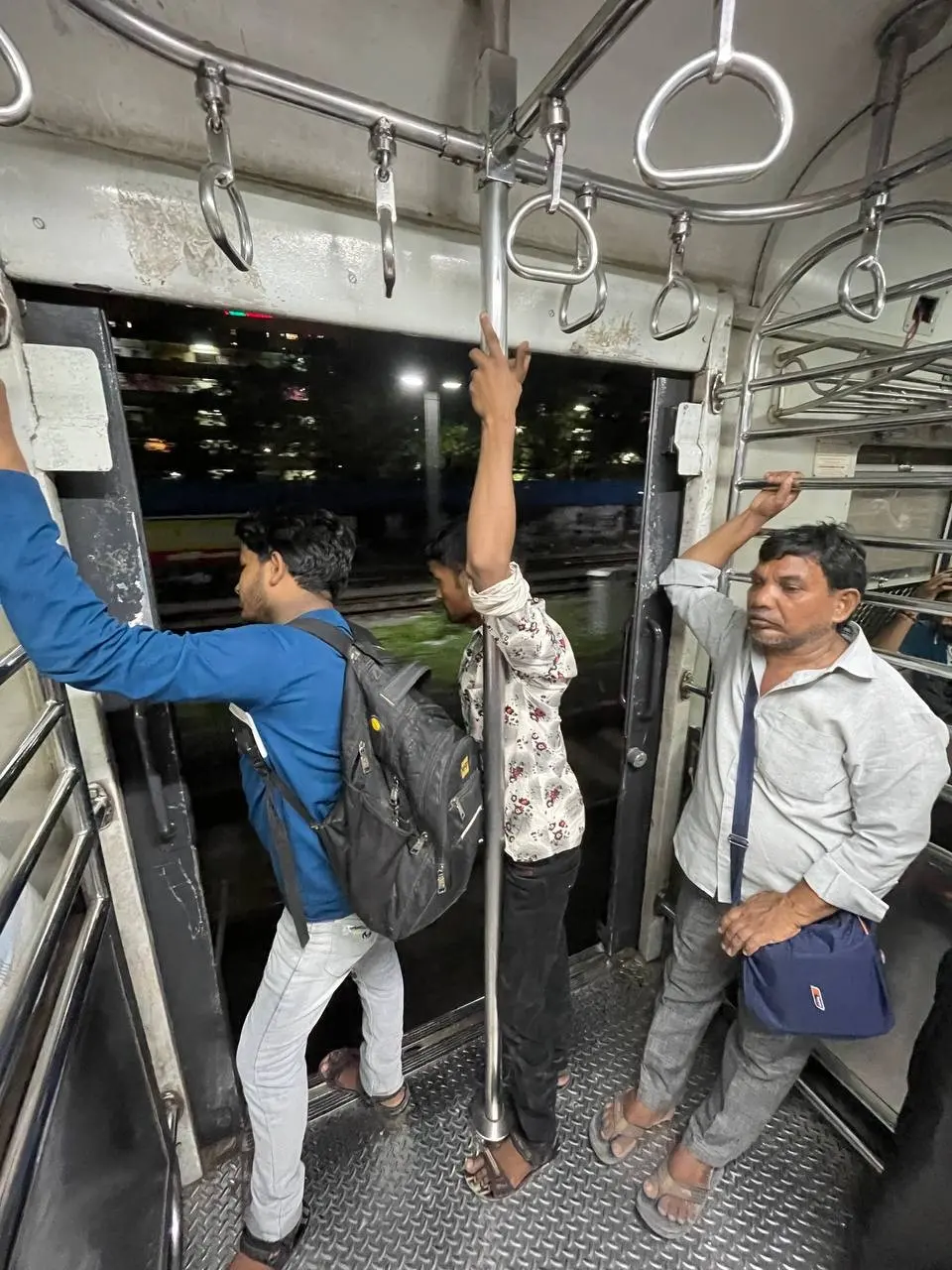
I travelled using planes, cars, trains, and horses. I also experienced riding local trains and buses without doors, enjoying the wind blowing into my face. Local trains and buses are less commonly visited by foreigners.
I travelled both with my Indian friends and alone. I was detained by the Indian police in Bollywood, managed to resolve the situation thanks to my friend and made my way out on a motorbike.
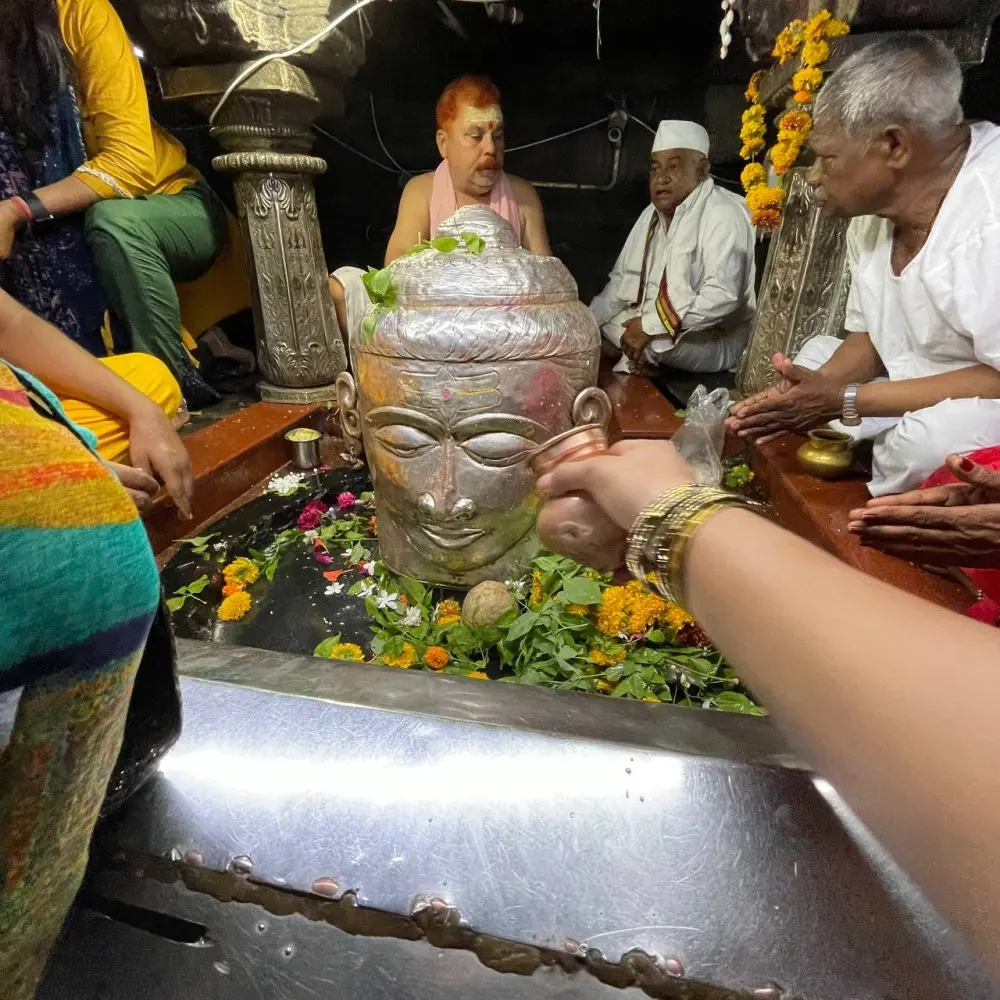
Throughout my visit, I participated in various wedding ceremonies, visited temples, spoke with numerous people about India, and immersed myself in the local culture. I tried street food and ate all the other meals with my hands. I even learned a bit of Hindi and Marathi, the language spoken in Maharashtra.
I also had a dental check-up in Nagpur, which turned out well. I found the quality of healthcare in India to be good and relatively affordable compared to the EU.
However, I acknowledge that my experiences during a two-week visit to only one Indian state do not qualify me as an expert on India. Being a tourist is different from living as a resident, and this applies to any country.
India's diversity can be compared to a smaller-scale model of the whole world and this civilization requires years to explore and understand. Despite this, I would like to share some of my observations.
It is an emotional roller-coaster
During my visit, I experienced a range of emotions. For example, the night before my flight from Mumbai to Delhi, I witnessed families sleeping on road pavements, engaging in various activities while surrounded by rats and trash. On the other hand, I was amazed by the beautiful, cosy, and well-organized Mumbai Airport, as well as the variety of food and intricate Hindu temples carved out of stones, showcasing Vedic traditions.
Eventually, I learned to accept things as they were and embrace the Indian culture. I perceived tolerance and acceptance to be the Indian way of living.
I considered India to be a country with immense freedom. Individuals can be who they want to be and do what they want as long as it doesn't harm others.
The tolerance for what is considered acceptable and not harmful to others is high due to the large population and density. People find happiness in small spaces and small things, which requires adjusting expectations coming from higher living standards in the EU. People do not lecture others on how to live and accept differences.
This is what comes as a stark difference with many other countries as was shown in the real-life story played in "Mrs Chatterjee Vs Norway". I highly recommend watching it. This is an Indian movie about a family fighting for their children with authorities in Norway. It was shot in Estonia.
This freedom might appear as chaos from the outside, but as some Indians explained to me, it is organized chaos where everyone knows how and where to move.
Conversely, while there is a sense of freedom in cities, there is less of it in villages and families where community bonds are stronger.
I hired quite a number of people from India. They told me it was nearly impossible to make a career in India due to the strong hierarchy and caste system and how they appreciated the egalitarian structure of the Swedish company.
I see many talented Indians who succeeded outside of India such as Sundar Pichai (CEO of Google), Indra Nooyi (CEO of PepsiCo), Satya Nadella (CEO of Microsoft), Shantanu Narayen (CEO of Adobe) and many others. The main common thing I noticed about them is their strong focus on diversity and inclusion which is something that can be attributed to Indian society.
Many international companies declare their commitment to diversity and inclusion but in reality, they fail and instead, create ghettos/silos characterized by groups of employees speaking the same native language.
Who said it was dirty?
Throughout my trip, I questioned locals about the lack of cleanliness in the streets despite India's rich history, culture and a large number of well-educated people. Many Indians I spoke with attributed it to a lack of education regarding environmental protection and the challenges posed by the country's vast population.
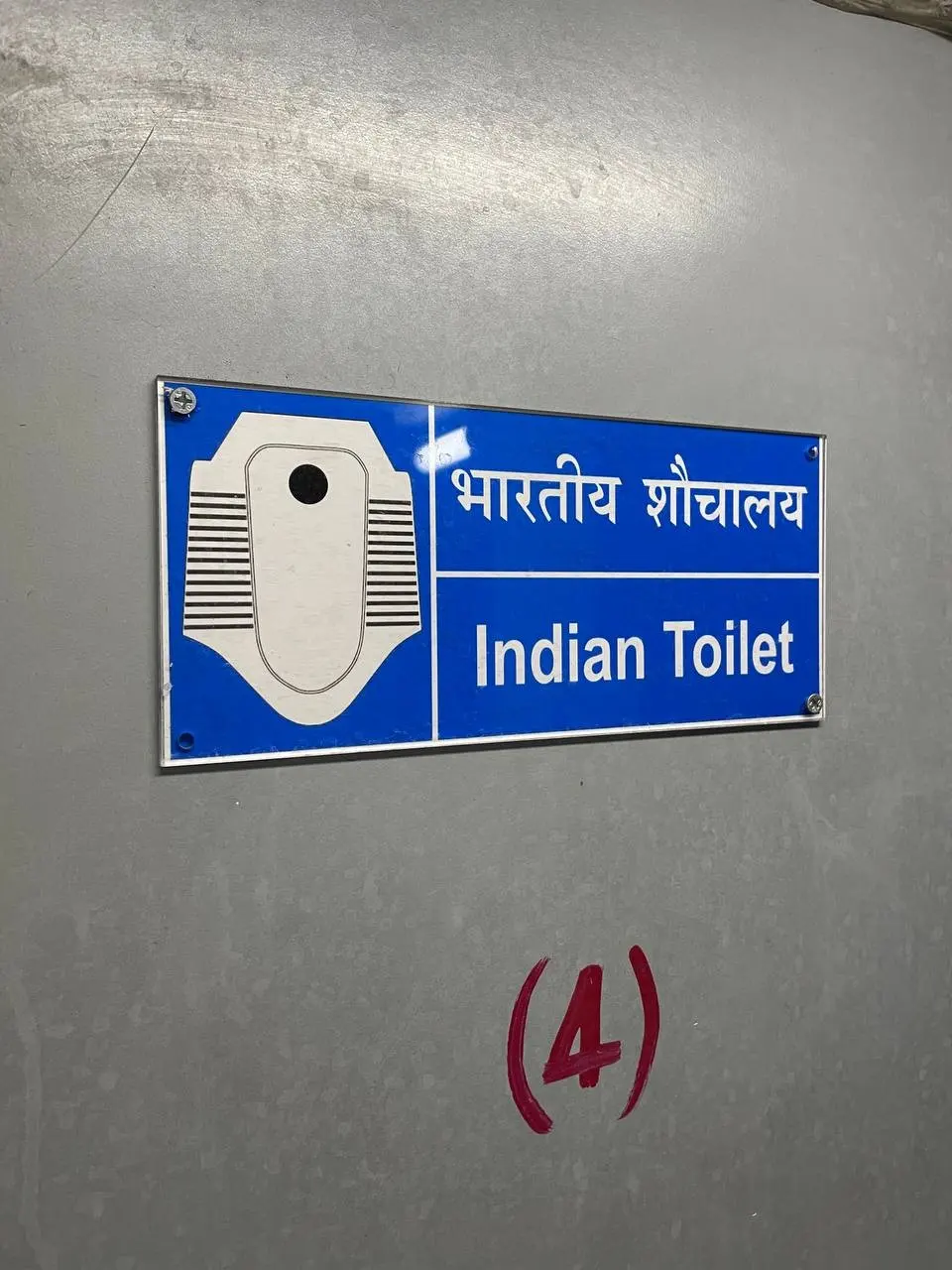
The scale of problems, including homelessness, is amplified due to the sheer size of the population and is no different from other countries. Indeed, I saw homeless people and beggars in Frankfurt, Sydney and Singapore, to name a few and these countries are no different in that sense.
I had an incident where I witnessed the brother of the groom throwing a plastic cup on the street. When I questioned him, he laughed and mentioned that despite him being well-educated it would take several generations to change such behaviour. However, on another occasion, I saw him throwing a plastic bottle, and upon noticing my presence, he immediately picked it up and put it in the trash bin.
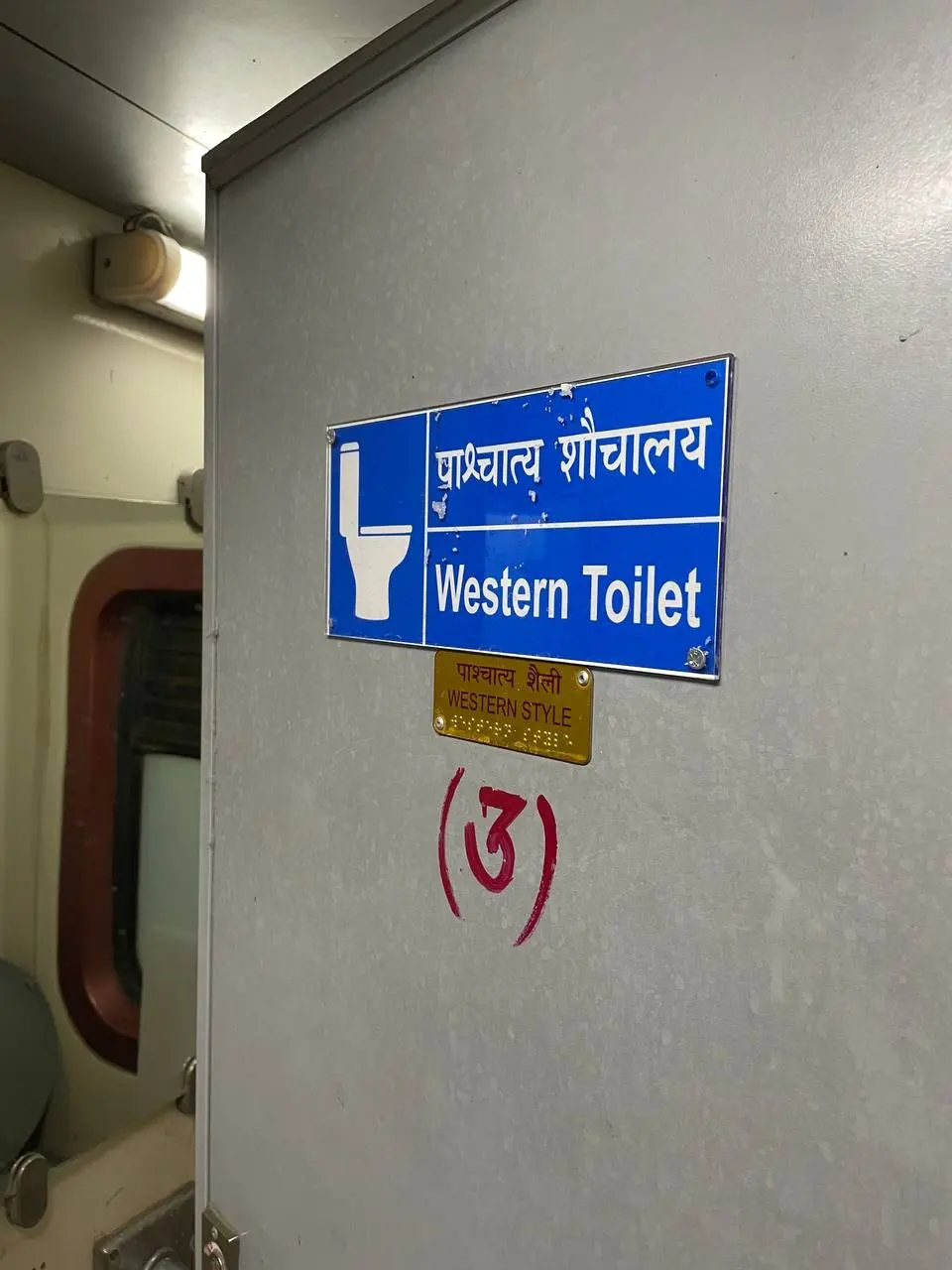
You can be a brilliant mind doing, for instance, AI and data science, but still, litter if no one told you about environmental impact or you have not really thought about it. Despite our education and positions, we do a lot of things without thinking about the long-term impact. For instance, killing millions of fish every year. That is worth another article but if you are interested to know more, then watch Seaspiracy.
How about women's rights?
I also discussed the issue of women's abuse with locals. Some Indians explained that two main factors contribute to this problem in India. Firstly, there is a gender imbalance in India, with a higher proportion of men, and divisions among castes. Secondly, there is the widespread promotion of sexual desires on local television, which contrasts with India's traditional society. It is important to note that such cases are more prevalent in certain villages.
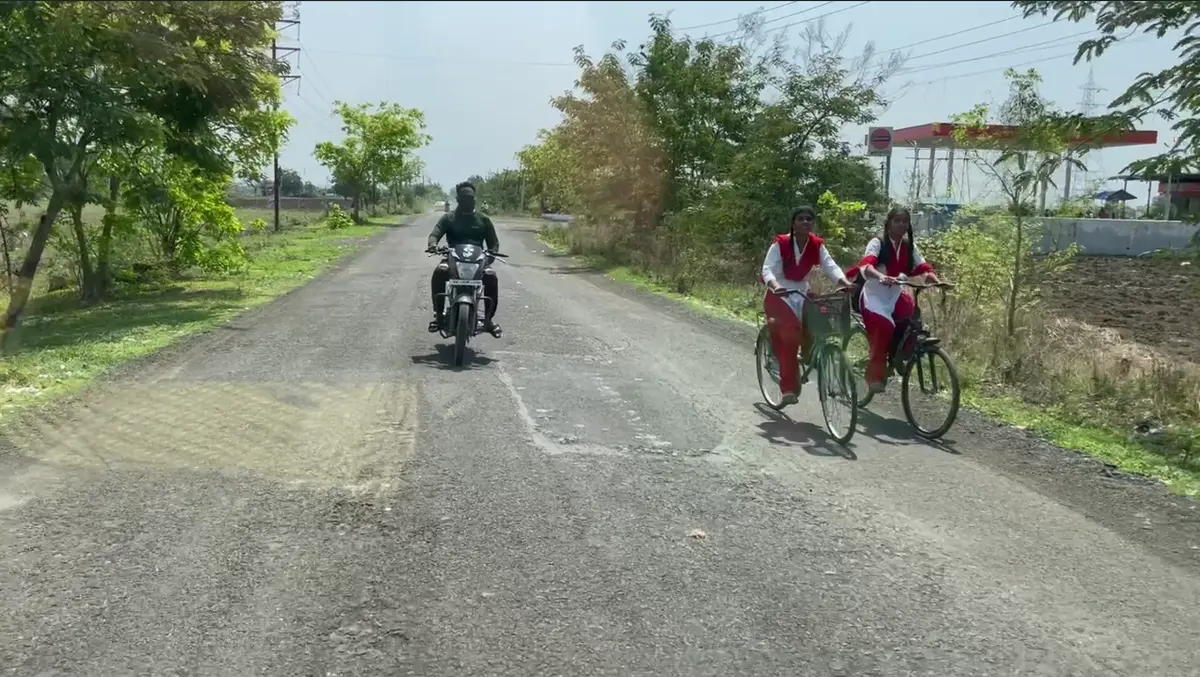
Some Indians suggested that legalizing prostitution could be a potential solution. Although there is de facto prostitution in major Indian cities, it remains illegal.
Again, the Indians I spoke with emphasized that problems might seem big because of the vast size of the population (about 1.5 billion).
On changes needed and future prospects
Many Indians I spoke with expressed satisfaction with their current government, noting that it was the first Indian government that had actually started significant improvements. However, they also highlighted several challenges.
The first major concern is the issue of inequality stemming from the caste system, with certain castes receiving preferential treatment at the state level.
The second concern is corruption, which leads to a lack of tax revenues as many individuals evade paying taxes and poor quality of implementation in infrastructure developments.
The third concern is education, as the number of highly skilled professionals, such as engineers and doctors, is relatively small compared to the overall population, and the quality of education varies widely.
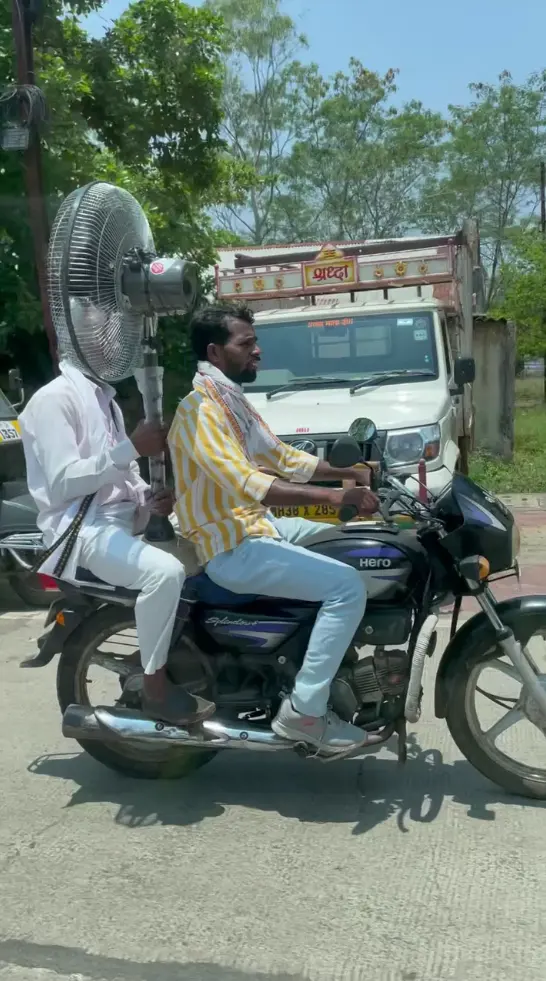
Despite these challenges, many Indians expressed optimism, stating that the country's development will astonish observers in the near future.
For instance, India is considered one of the largest 5G markets for Ericsson, and Apple recently announced their plans for iPhone manufacturing in India.
Based on what I witnessed, India is undeniably progressing at a rapid pace.
I will definitely visit India again.
P.S. I was planning to have interviews in India for Leaders & Engineer's episodes. Unfortunately, the interviews were cancelled.
This trip was made possible thanks to my friends in India and their relatives. Without them, I would not have been able to see so many places. Danewad!
Additional materials to read about India: