Five pillars I have tested in startups, in corporate departments, and once in a hole cut in the ice.
One winter morning I found myself standing in the snow in a Santa Claus cap, waiting my turn to jump into a hole cut in the ice.

I have practiced aikido for more than twenty years, and the group I trained with had invited me along. We cut the holes ourselves, then went in one after another. Was that a dream team? In a way, yes. There was a purpose, and around that purpose we gathered. But it lasted a morning.
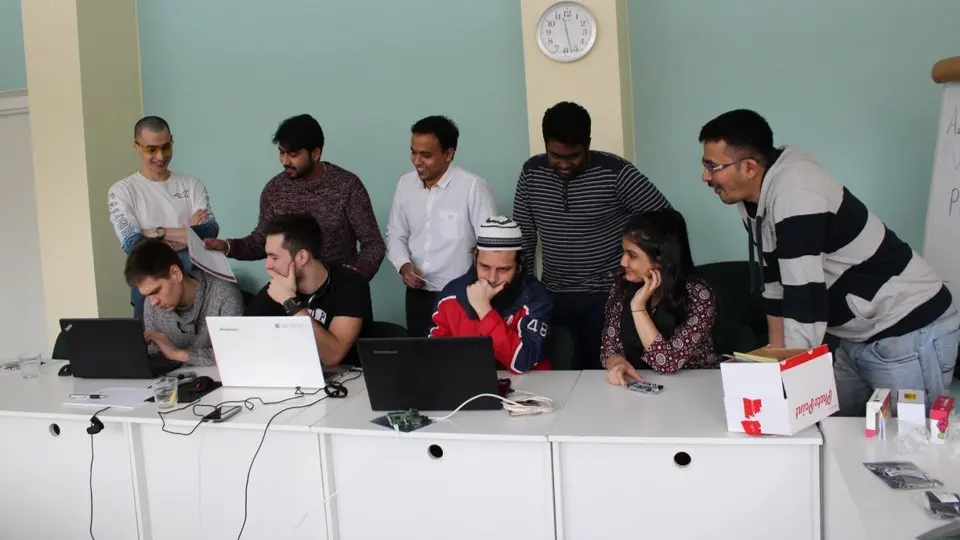
Later I built a team for another startup of mine, a smart chair for air traffic controllers that measured stress levels and other vital signs. We worked hard and had fun just as hard. Closer to a dream team. Still not quite.

Since then I have built teams in startups, in projects, in corporate departments and in small groups. All of it taught me what a dream team actually requires, and what its opposite looks like.
The opposite of a dream team
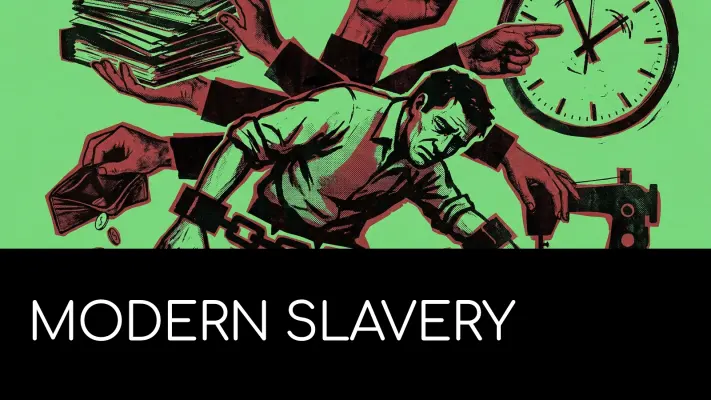
I call the opposite modern slavery. It is when you don't know why you are here, why you come to that office, that factory, that workplace every single day. The purpose is missing. Agreements are not respected. And what remains starts to look like exploitation. It is far more common than most companies are willing to admit.
The question that has occupied me for years is the practical one. How do you avoid that, and build a team where people enjoy the work and feel empowered in everything they do?
What follows is the formula I arrived at, five building bricks stacked in order, and each one only holds if the one below it is already in place.
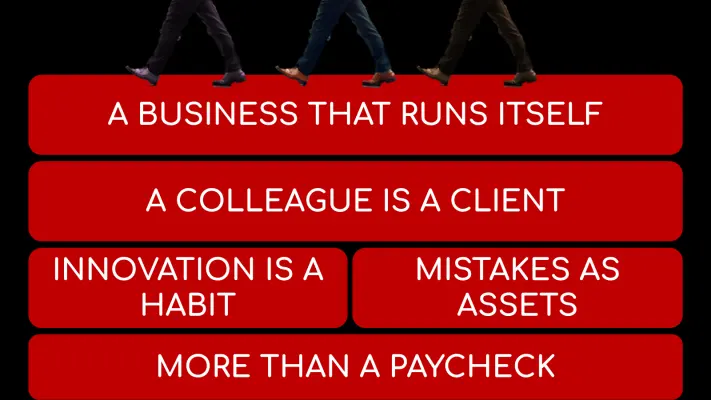
1. More than a paycheck. Motivation rooted in purpose.
2. Innovation is a habit. Small, constant, unremarkable change.
3. Mistakes are assets. Fail safe, learn fast.
4. A colleague is a client. Service, applied inward.
5. A business that runs itself. Decentralization as the goal.
1. More than a paycheck
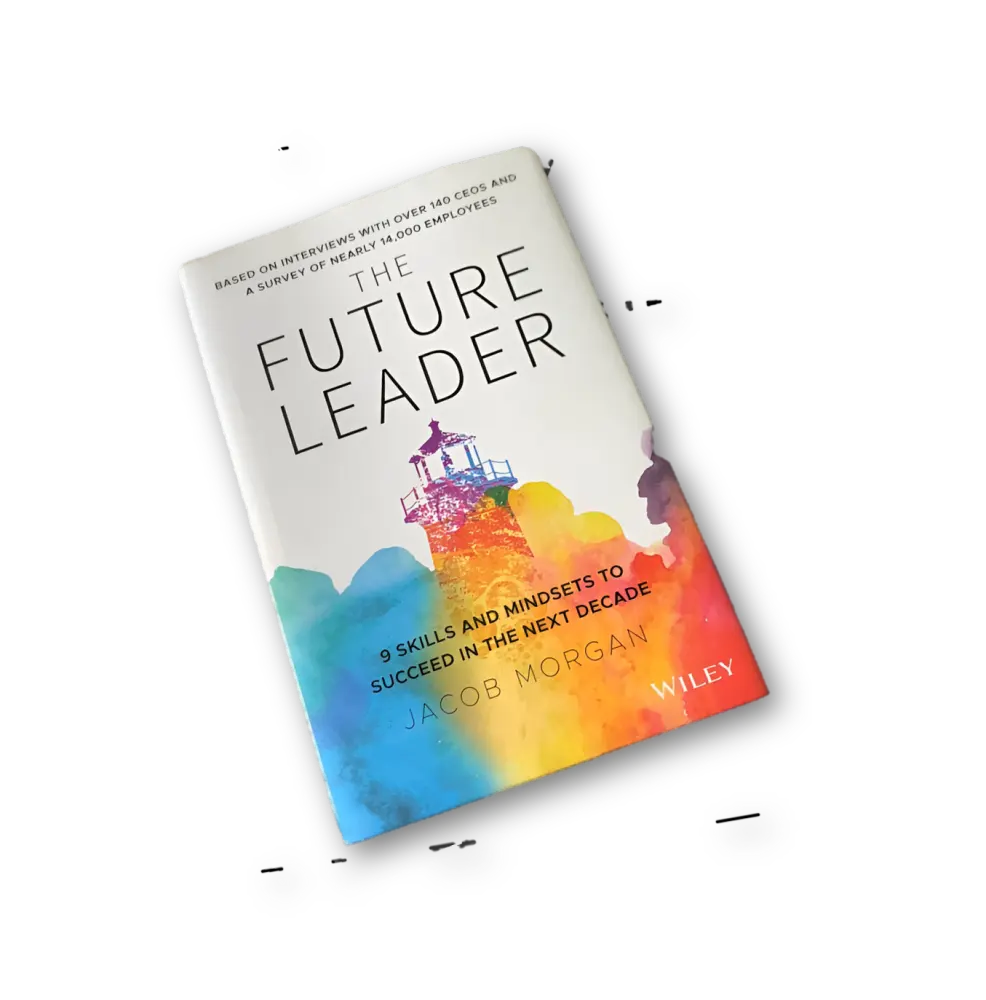
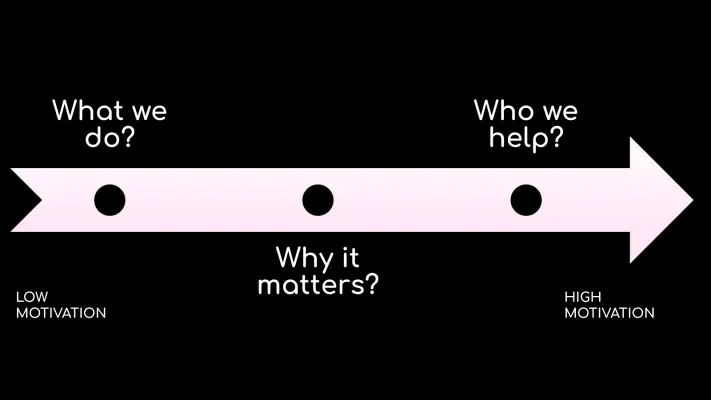
I took the inspiration for this one from The Future Leader by Jacob Morgan, which I picked up after finishing a leadership course. Morgan describes motivation as a chain of levels.
At the lowest level is what we do, the task in front of you. Motivation here is thin, because it is do this, then do that, without knowing why. The next level answers why it matters. The level above that answers who we help. When the chain is complete and traceable, from the task all the way to the person it serves, you get the highest motivation available to you.
Here is what that looked like in practice. In one company I ran a short briefing with the team at the start of every week. I would put up a picture of an Audi and ask them, do you know that you are contributing to building this car? The equipment we produce supports the manufacturing of it. This week we ship. This is what you are getting.

The effect was immediate. The work stopped being a routine task and became a contribution to something beautiful. A few weeks in, one of my team members came to me and said, now I feel different when I see an Audi on the street. I feel proud, because I helped build it.
But my company doesn't make Audis
The usual objection is that this is a special case, but I think the opposite, because it works anywhere. Take a small grocery shop.
You need a story, and it doesn't have to be factually precise. It must not be a lie, but it has to support the context. Here is the one I would tell.

It is the evening of the 31st of December. In every apartment people are cooking, making salads, preparing for the night. One family discovers they have no mayonnaise, and the salad cannot be made without it. The woman of the house panics. What will she serve her guests? She sends her daughter to the little shop next door, the only one still open, because there is no time to reach a supermarket. The girl runs, finds the mayonnaise, and the evening is saved.
Now tell that to the person behind your counter. You didn't just sell mayonnaise. Because you were here, because we were open, because you served that girl quickly, a family got its evening. You created a small miracle. You are not just a cashier. You are the one who saved someone's New Year.
That level of motivation can be built almost anywhere. You just have to tell the story.
2. Innovation is a habit
Every morning we pick up a toothbrush, apply toothpaste and clean our teeth. We don't notice doing it, because it is small, fully integrated and entirely normal. Innovation should look the same.
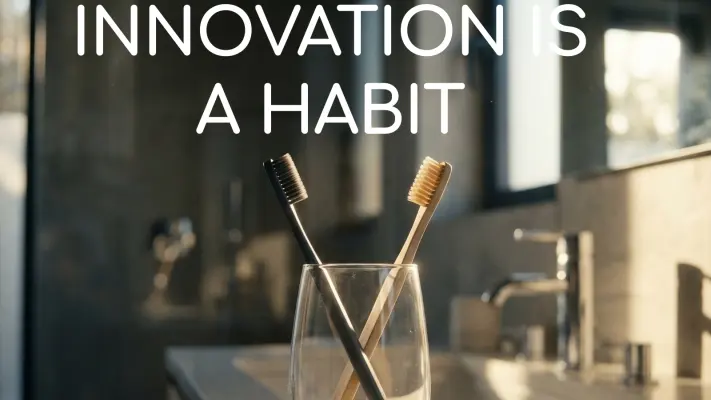
It has to arrive in small chunks, and it has to become a habit. It can be trained in ordinary ways, like taking a different route to the office or changing where you work from. All of it sparks something.
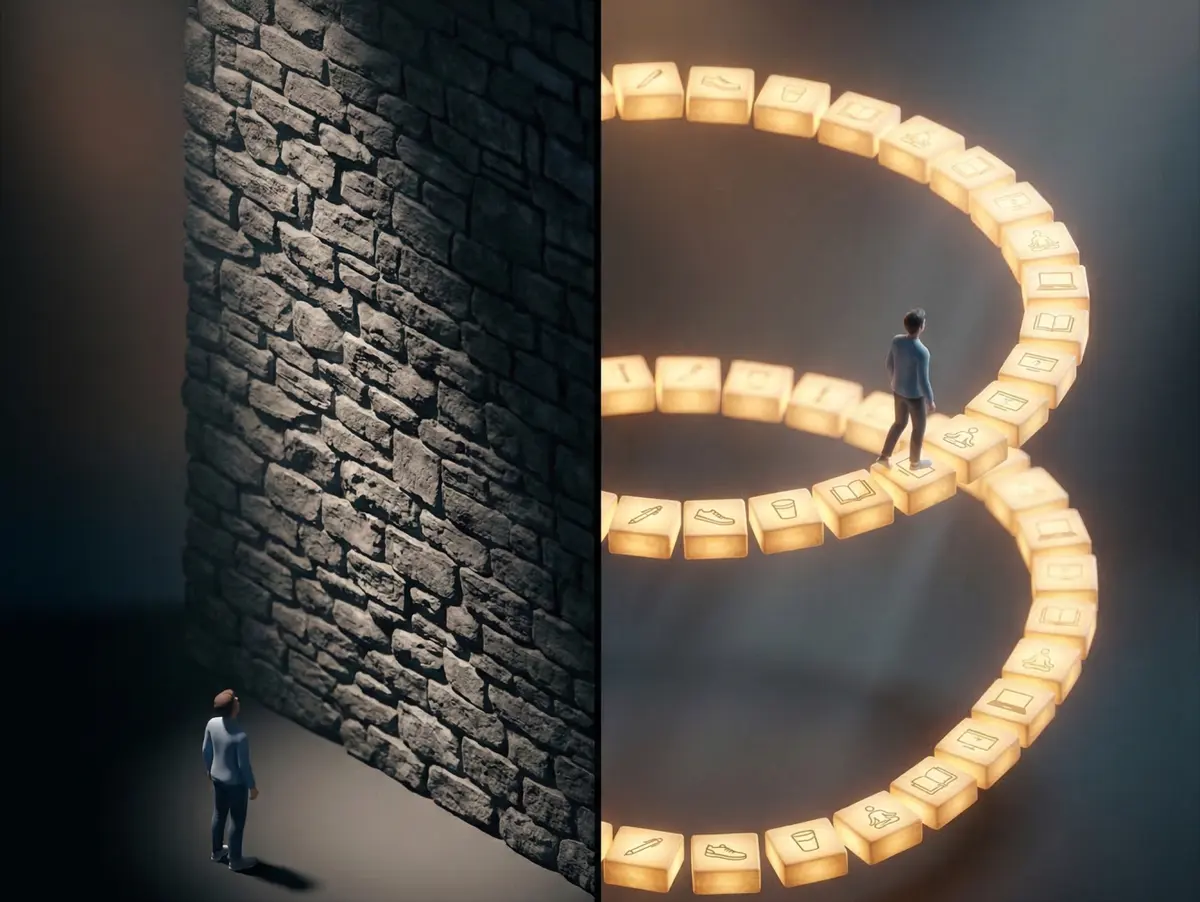
In a team, that means building an environment where micro-changes are encouraged. Someone proposes, why don't we meet every Friday for half an hour, drink coffee and celebrate each other's wins? It is small, it is easy to implement, and within a few weeks it is obvious whether it works. If it does, keep it. If not, drop it.

That particular one built cohesion. It brought the team together, removed friction, made communication easier. Very small input, potentially very large output.
So praise it publicly. People should be making tiny proposals and tiny changes constantly, trying new things and telling others what they tried. Not every change needs an announcement, but the sharing does.
Scaling up to bigger experiments
Small habits build the foundation for larger innovation. For the larger kind, the key from my experience is boundaries. Put scope and a deadline around the experiment.
When my team wanted to try a new tool, I would say, let's run this for one month. At the end I put it to a vote, and if you don't like it, we don't do it. Simple, and time-bounded.
The reaction was never resistance. It was more like, okay, if it's only a month and we can vote it out afterwards, let's try. Something temporary is easy to accept. And after the first experiment, then the second, then the third, resistance goes to zero. Eventually people start proposing experiments themselves.
But this only works if you honor the contract. If the experiment fails and the team votes it out, you have to let it go. I did that more than once, with experiments we tried, people disliked, voted out and never came back to.
The reverse happened just as often. When I proposed a new tool for scheduling vacations, there was heavy resistance at first. Then I said, let's try it for a month, everyone gives feedback, then we vote. We tried it, people liked it, and we kept it.
3. Mistakes are assets
If you want experimentation, you have to make failure safe. Anxiety and fear are what stop people trying things, and if people try things, they will make mistakes.
Mistakes are normal. Repeating them is not. That distinction is the whole pillar, and holding it requires a system.
The system is straightforward, and every incident gets a lessons-learned session, documented properly, in the corporate wiki for instance, with a real investigation method behind it. Root cause analysis. The simplest version is the five whys. Why did it happen? Because of that. Why did that happen? Because of this. At least five times, though five is only indicative and sometimes it takes more.
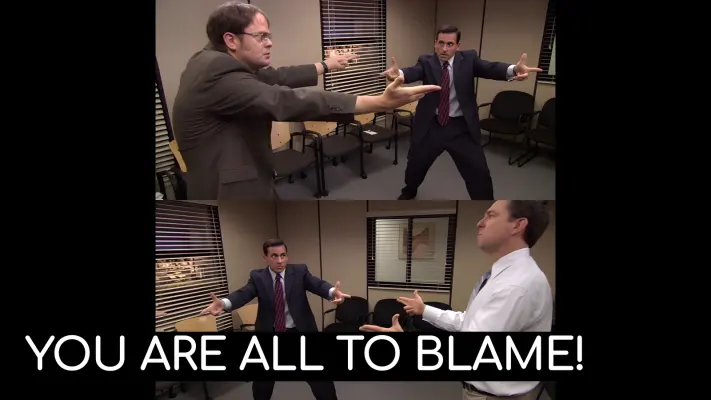
The point is to go deep, and never to stop at a person. The default in most organizations is the opposite, with departments blaming each other, fingers getting pointed, and the analysis ending at whoever stood closest to the failure. Asking why repeatedly makes that impossible. It is not "because he is at fault". It is "why did he do this?", and then you keep going.
Teams that do this get strong quickly. Admitting your own mistake becomes easy, and fixes come fast.
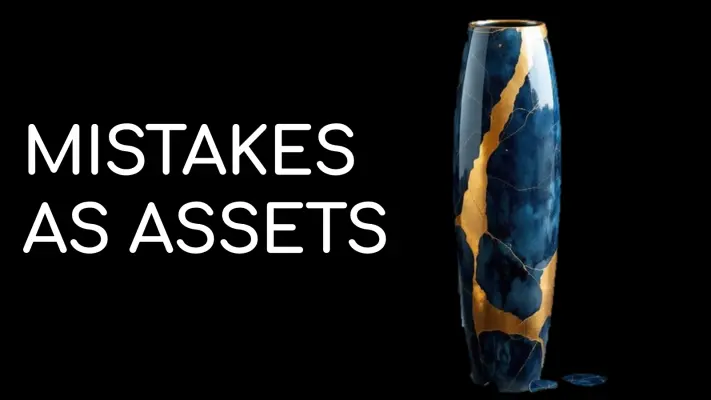
There is a Japanese art called kintsugi, the restoration of broken ceramics. Rather than hiding the repair, the master fills the cracks with lacquer and gold powder so the break is impossible to miss. The restored pieces end up valued more highly than the originals, more expensive and considered more beautiful, because they carry a history.
That is what lessons are. They give you experience, and they give you a certain charm you cannot buy new.
4. A colleague is a client
The fourth pillar is about responsibility, and it starts with a mental model.
We all recognize the service in a good restaurant, the way the waiters speak to you and the way they serve. It is trained, and it is unmistakably client-oriented. So why is the same standard almost never applied between teams and departments?
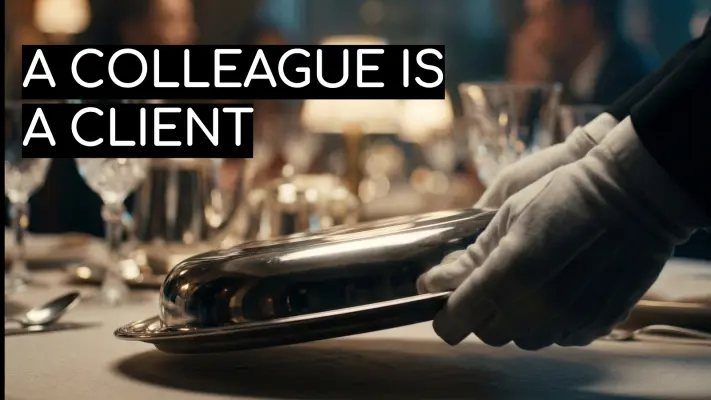
What if one department treated another as its client? Responsibility rises, silos shrink, and the whole relationship becomes more professional.

It also gives you something to measure, which is how this becomes a data-driven culture rather than a slogan. I have used two metrics internally.
NPS, the Net Promoter Score, measures loyalty. "Do you like this person?" is a useless question. "Would you recommend this person for this kind of work?" is an entirely different one. CES, the Customer Effort Score, measures how much effort it takes to work with someone, applied per employee.
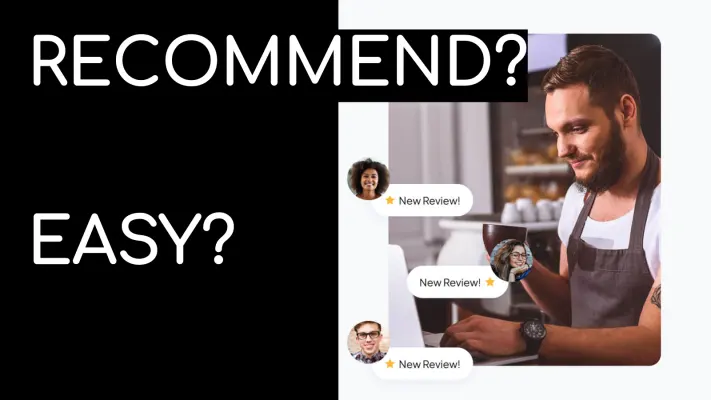
Both shift attention onto the professional relationship, reduce the friction around hierarchy, and leave less room for conflict.
This extends all the way up. The CEO is a service provider too. I report to the people on my team, and I ask them how they evaluate my work and what I should improve. My job is to give you the instruments and tools you need to succeed.
And it runs in every other direction as well. Your colleague is not just a colleague, not just "hey, buddy". Your colleague is your VIP client.
What this produces is a philosophy of serving instead of controlling. Radical responsibility.
5. A business that runs itself
Once the other four are in place, you can build decentralization on top of them.
Watch a murmuration, thousands of starlings moving like a single organism, maneuvering at enormous speed without breaking formation. The remarkable part is that no bird is leading. Take one out of the center, or off the edge, and nothing stops. Nobody notices.
That is the target, no micromanagement and a team that behaves as one cohesive organism.
The enablers start with culture, but documentation carries more weight than people expect, and that means proper wikis, proper charts, all the unglamorous things. Beyond that, autonomy and responsibility have to move away from the leader and towards the team.
Here is one example. When I left for a month's vacation, instead of handing over to someone from an adjacent department, I appointed someone from my own team. That is not usually how it is done. It worked well. And it is the ultimate test of a leader, because if the team runs without you, you have built something. You are then free to spend your time on strategy rather than on routine.
Birds give a second lesson here. In a wedge formation the leader is interchangeable. The bird at the front drops back, another takes its place, and the formation keeps going, further and faster. In business the opposite is normal, with one person spending most of the energy, getting tired, going on vacation, and the whole chain sagging.

The last element I implemented came from direct democracy in Switzerland. I let the team put questions to a vote, using an online polling tool, so that during the meeting itself, after the debate, people could vote anonymously and in real time. That is how most of our decisions were made. There were restrictions, and perhaps 10% of decisions stayed outside the process. The other 90% did not.

Decentralization rose sharply. The team took on more responsibility and worked out for themselves what they wanted and how they wanted to work.
Putting it together
Put together, these five pillars give you a team that is innovative, responsible, continuously improving and decentralized, held up by habits, principles and values rather than by a leader's constant attention.
Start with motivation, with the understanding that work is more than a paycheck. Add innovation as a habit and mistakes as assets. Then a colleague is a client. And finally, a business that runs itself.
None of this is theory. Every piece of it is something I have tried, and a fair amount of it I got wrong before I got it right. I hope it helps you build your own dream team.
Which of the five is hardest in your organization? I would be curious to hear where it breaks down.